HIV and Anal Cancer
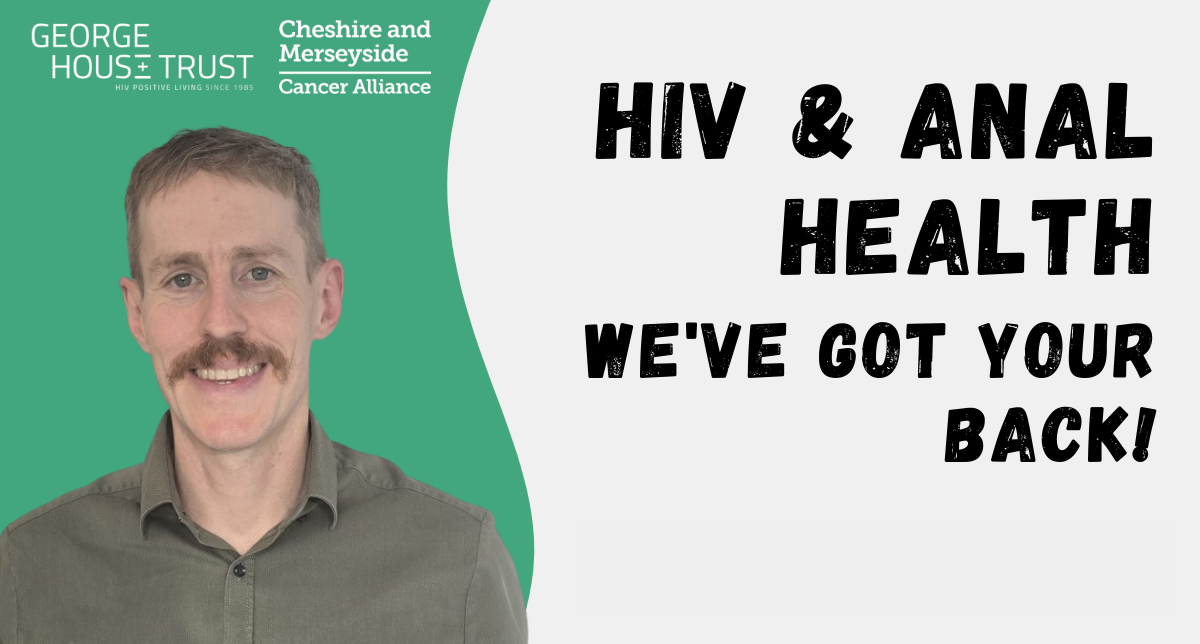
We get it. Nobody loves talking about their bum. But it's time to have a direct, no-nonsense chat about anal cancer, because for gay and bisexual men living with HIV, the risk is higher.
Anal cancer is a rare type of cancer that affects the anus. In the UK, around 1,500 people are diagnosed each year.
The anus connects your bowel to the outside of your body (the bottom). Anal cancer can start in any part of the anus.
Symptoms to watch out for
These symptoms are often mistaken for piles, infections, or irritation from sex, but they should never be ignored. If you feel any of the following, it's time to speak to your clinic:
Bleeding from your bottom.
Persistent anal pain or itching.
Lumps, bumps, or skin changes around the anus.
Changes in your bowel habits or the shape of your poo.
A feeling that you cannot fully empty your bowels.
For more information on the symptoms, diagnosis and treatment, visit: NHS Anal Cancer.
Checking for changes yourself
Knowing what's normal for you is important. Gently feeling the area around your anus (for example, after a shower) can help you notice any new lumps, bumps, or changes in the skin. If you find anything that wasn't there before, it's important to get it checked by your clinic.
Increased risk for people living with HIV
Though rare, people living with HIV are approximately 19 times more likely to be diagnosed with anal cancer than the general population.
HIV-positive men who have anal sex are at an even higher risk of developing anal cancer, more than three times higher than other HIV-positive men1.
Knowing the signs and acting on them early is the most important thing you can do, as early diagnosis makes treatment far more effective.
Around 90% of anal cancer cases are linked to human papillomavirus (HPV) infection. For people living with HIV, the virus can weaken the immune system, making it harder for the body to clear the HPV infection, and therefore increasing the risk.
Finding cancer early makes it much easier to treat successfully.
Don't put it off - talk to your HIV team
We know there can be a taboo around anal health, and past experiences with healthcare can make these conversations difficult. But your HIV clinic is the best place to go. Dr Paul Hine, a HIV Specialist in the region, wants you to know your team is ready to listen.
Read his article here.
A quick conversation with a doctor or nurse at your HIV clinic can make all the difference. Ask about anal health checks at your next appointment.
Getting tested for Anal Cancer
If you experience any of the symptoms above, don’t wait – contact your GP, HIV clinic, or sexual health service.
They will normally perform a physical examination of your anus and back passage.
They might also give you a simple home test called a FIT (Faecal Immunochemical Test), which looks for tiny amounts of blood in your poo, that are too small to see.
You can do this yourself at home by collecting a very small sample of poo on a collection stick and putting it in a sample tube. These are available at all HIV and Sexual Health clinics in the area of Cheshire and Merseyside. If you live in other areas of the UK, talk to your HIV clinic.
Reducing risk
You cannot always prevent anal cancer, but a HPV vaccination is one of the best ways to protect yourself.
It helps protect against cancers caused by HPV, as well as genital warts.
The HPV vaccine is recommended for high-risk groups, including:
People living with HIV.
Men aged 45 years old and under who have sex with men.
Trans men and trans women aged 45 years old and under, if their risk of getting HPV is the same as men who have sex with men.
Sex workers.
There are also healthy changes you can make to lower your chances of getting anal cancer, including:
Use condoms during sex to lower your risk of getting HPV.
Keep sex toys clean and do not share them.
Try to quit smoking as this directly damages DNA and makes it harder for cells to repair damage.
Support
George House Trust provides a safe space for information, peer support, and advice on living well with HIV and managing your health. Visit our Events page to find local activities, workshops, and peer support opportunities.
For more trusted health information from our partners on this campaign, visit:
Cheshire and Merseyside Cancer Alliance. To visit, please click here.
Support groups are available, and these include:
Bottom Line was formed by people with lived experience of anal cancer, and their voices are at the heart of all they do. Their friendly online support group is a place you can share your story, hear how others are living with the disease or just chat about the day-to-day experience of living, or caring for someone, with anal cancer. https://bottomlinecharity.com/facebook-group
Get in touch
Don't worry or struggle with any aspect of your diagnosis or experience. We're here. You always have someone to talk to.
Not sure where to start?
Give us a call, send us an email, or complete this form.
0330 174 4433
9am - 5pm Monday to Friday

Become a Friend of George House Trust
We are developing a new 'Friends of George House Trust' approach. Find out more.

Learn more about HIV
HIV is a long-term manageable condition which is often misunderstood. Your HIV questions answered.

Positive Speaking
Our team of inspiring speakers, all with lived experience of HIV, can engage your workforce with educational and awareness-raising discussions, allowing a greater understanding and promoting inclusivity in your organisation.

Contact us
Want to talk to us? Get in touch.
Subscribe to our newsletter
Keep informed of news and events from George House Trust, delivered direct to your inbox.
We will never share your details and you can unsubscribe at any time. Please refer to our Privacy Policy for more details.