SAFE HANDS: Understanding HIV in Hairdressing, Barbering and the Beauty Sector
The aim of this course is to equip you with the confidence and knowledge to support people living with HIV to access beauty treatments in a safe and inclusive environment.
Follow the ‘easy to learn’ steps to becoming certified as 100% HIV AWARE.
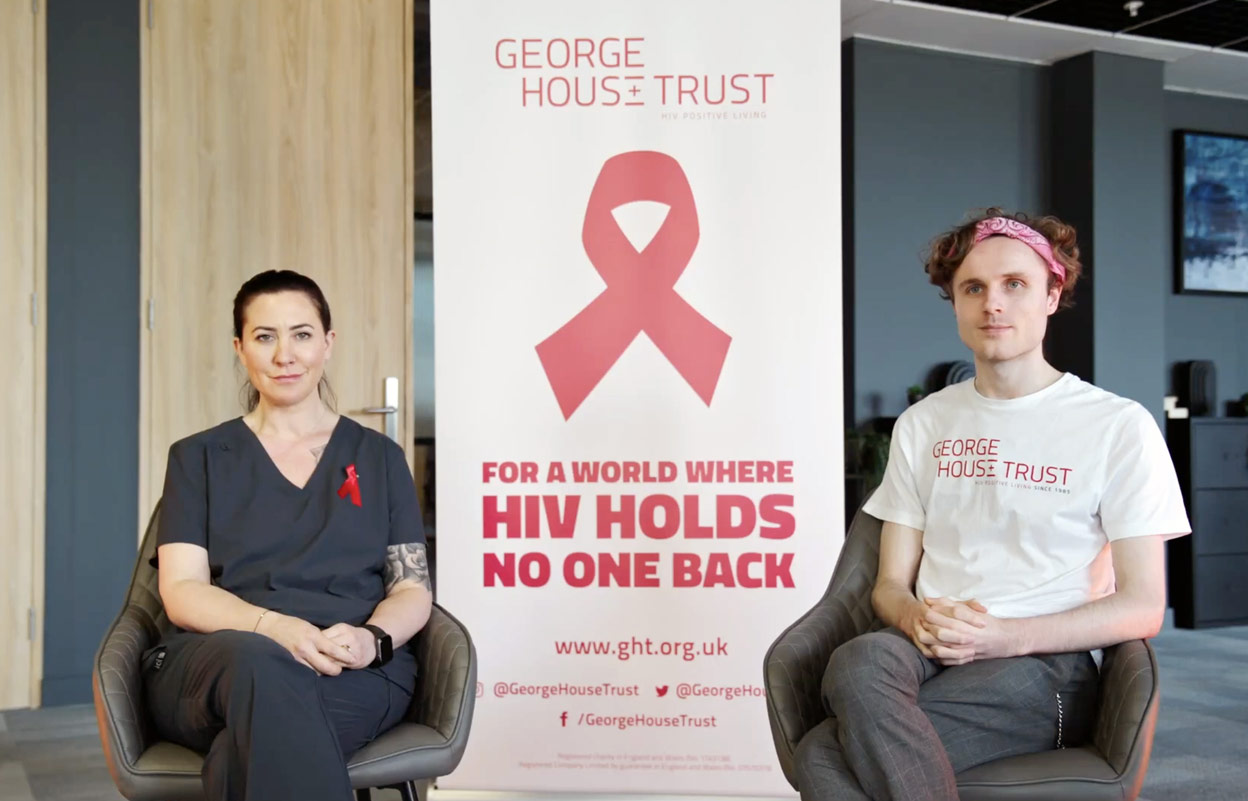
Since 1985, George House Trust has been inspiring people living with HIV to live healthy, confident lives by providing HIV support, advice and advocacy services.
Our Vision
A world where HIV holds no one back.
Our Purpose
Inspiring people living with HIV to live healthy and confident lives.
Our Values
- Passionate
- Inclusive
- Responsive
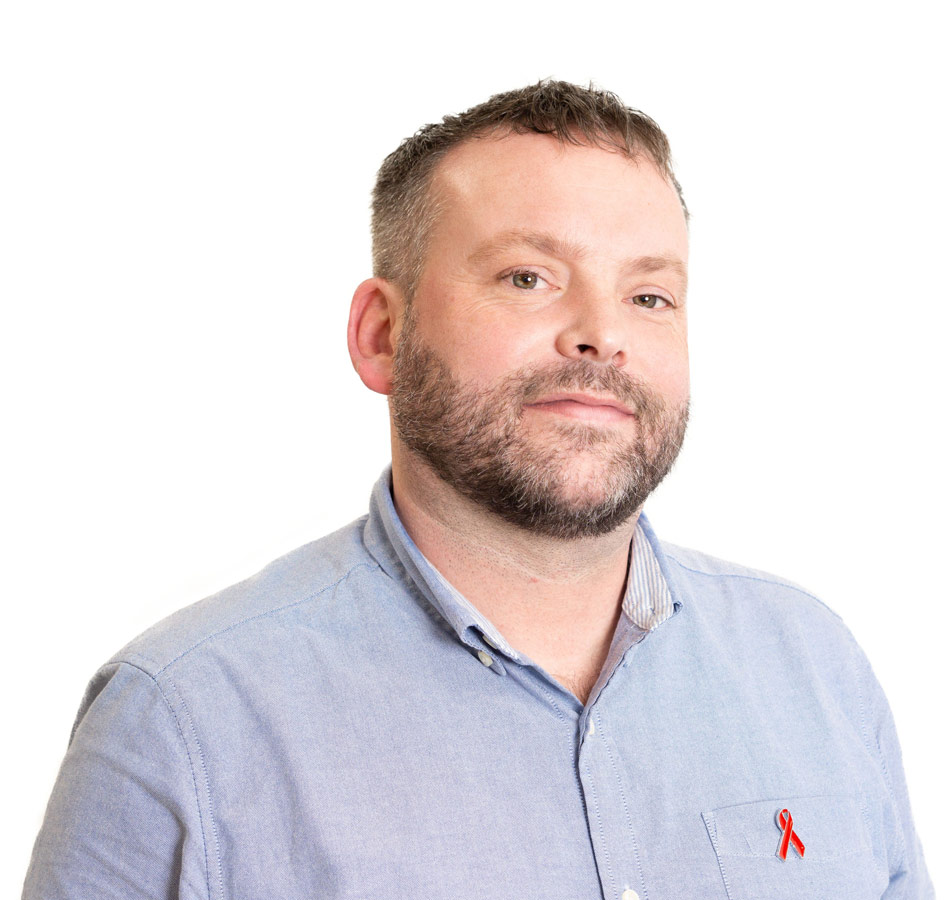
Darren Knight
Chief Executive At George House Trust
“We are proud to partner with Sam Marshall to develop this important course for the hairdressing, barbering and beauty sector. Someone’s HIV status must never be a barrier to accessing any of those services.
We want to support the hairdressing, barbering and beauty sector to improve understanding around HIV and provide an effective toolkit for the whole industry.
We found from our research that 52% of people have been refused a treatment due to their HIV status and this shows there is still unnecessary and unacceptable stigma attached to living with HIV, and a lack of awareness around the advances in treatment and what that means for people living with HIV.
We hope that by launching the ‘SAFE HANDS: Understanding HIV in Hairdressing, Barbering and the Beauty Sector’ course, we will bring the issue to the forefront, across this sector and beyond”.
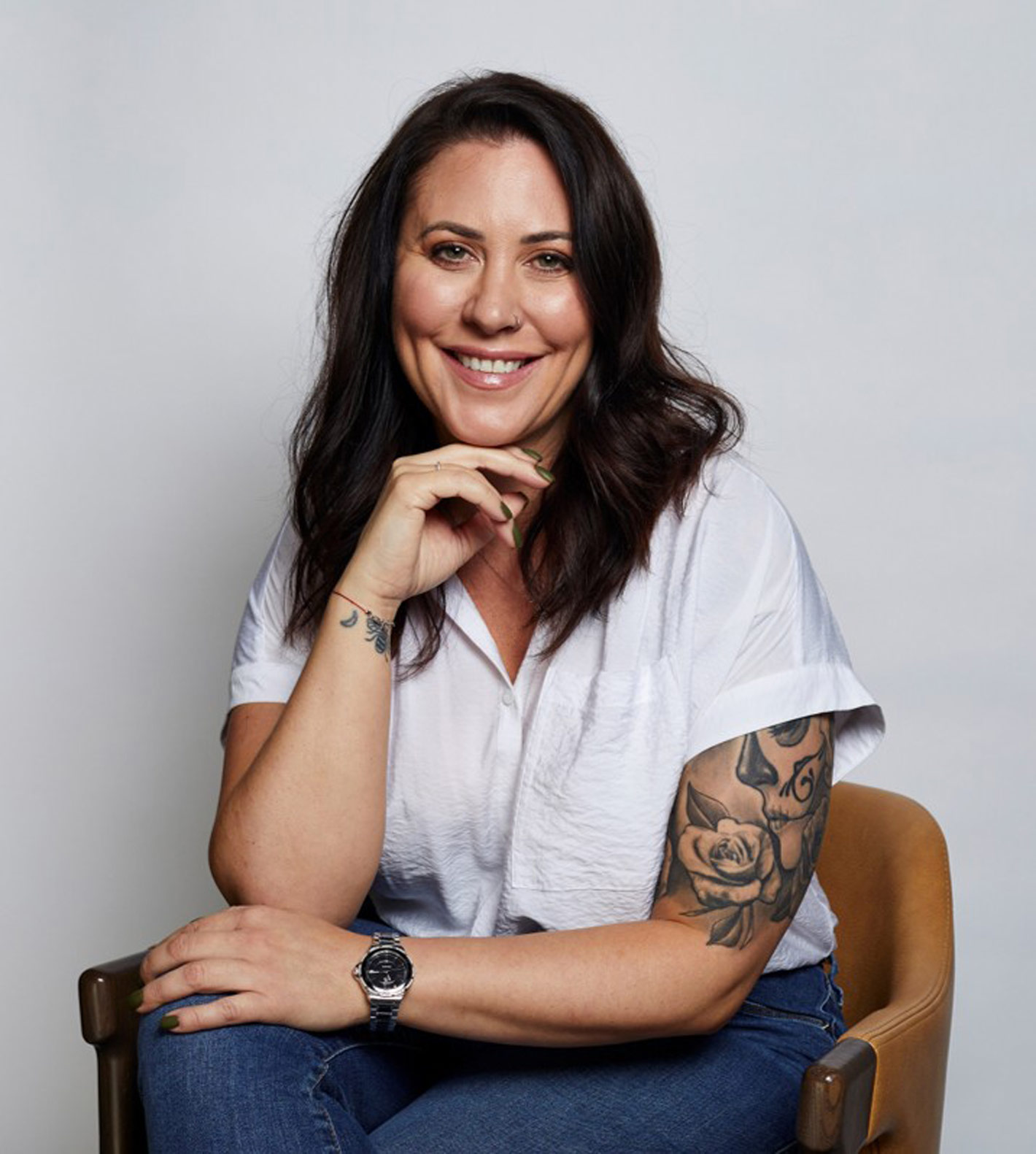
Sam Marshall
The Beauty Guru
Sam is a leading gender inclusivity expert, professional educator and recognised voice within the beauty industry. She sits on the HABIA advisory board, British Beauty Council DEI Committee, and is an advisor to The Federation of Nail Professionals whilst regularly contributing to national and trade media. Backed by over 25 years’ experience, Sam has remained a commercial therapist throughout her career. She is a HIV-awareness advocate and a loyal supporter of George House Trust.
“I’m delighted to have spearheaded the UK’s first HIV course for the Beauty Industry, alongside George House Trust.
It will help us move forward to a more inclusive industry, something I’m extremely passionate about.
I implore all hairdressing, barbering and beauty sector professionals to put the learning into practice in particular removing the HIV status questionnaire from the consultation process. Beauty practitioners do not need to know someone’s HIV status to undertake beauty, hair or cosmetic procedures, even those that produce blood or are considered invasive.
Thanks to effective treatment, people living with HIV cannot pass it on.
Additionally, Universal Hygiene protocols (which should be standard practice in any professional salon) will eliminate the risk of any blood-borne virus transmitted.
As an inclusive beauty salon, we would never ask clients for their status as it is irrelevant and unnecessary. Beauty is for everyone and we believe that everyone who wants to access beauty services should feel comfortable in doing so, as they should in a hairdressers, barbers or other parts of the beauty sector”.
HIV and The Beauty Industry FAQs
This will be available online shortly. Please complete the form at the bottom of this page to be notified of this.
Sam Blake, The Safer Salon Geek said “This collab between Sam Marshall and George House Trust is an industry must do. Having an up to date HIV Awareness workshop is long overdue Continuing Professional Development (CPD), so whatever your role or level of industry journey, please book on a session. The delivery helps with dispelling any past bias or fears and is the best way to foster a community of empathy, respect and inclusion through today’s knowledge, not yesterday’s myths. Make sure you pop future sessions on your CPD planners.”
During August 2023 we conducted a survey about peoples’ experiences and received over 400 responses from across the UK. This was followed by focus groups with people who access our services and a round-table discussion with people living with HIV, and industry body representatives. We are now offering HIV awareness training to beauty practitioners.
- 52% of respondents said they had been refused a treatment or service after talking about their HIV status.
- 79% of people said they’d been asked about their HIV status as part of a consultation.
- 72% of people who’d been asked reported that it was a positive or good experience. With 28% saying it was a negative experience.
People completing the survey reported accessing a range of services including; alternative and holistic therapies, spa treatments, hair removal, hand and feet treatments, injectables and skin treatments, eye treatments and massages.
It’s important to note that many people report good experiences when talking about HIV in businesses and with therapists. However, a significant number of people said they were refused a service or offered an alternative service because of their HIV status.
Survey respondents also queried why HIV is asked about and what is done with the sensitive personal information once they’d told a practitioner or business. People said they didn’t feel confident that the information would be stored correctly or destroyed in accordance with relevant data protection legislation.
Where people had been refused a treatment or had a negative experience generally, they reported that this had a negative impact on their confidence, self-esteem and how they felt about living with HIV.
It is illegal to refuse a service to a person or to offer an adapted or alternative service to someone because of their HIV status.
The British HIV Association released a statement in 2019 in which they said “refusing to tattoo or to provide a cosmetic or routine beauty treatment to a client on the basis of their HIV status cannot be justified”.
They note that to do so would constitute discrimination under the Equality Act 2010. The Act prohibits discrimination against a range of protected characteristics, and this includes disability, which HIV falls under.
You do not need to know a persons’ HIV status to undertake beauty, hair, or cosmetic procedures. This includes procedures that might produce blood or are considered invasive.
BHIVA states that collecting information “about HIV status must be justifiable, as per current protection legislation (Data Protection Act 2018 and General Data Protection Regulation 2018) and is unnecessary in the context of tattooing, piercing and cosmetic or routine beauty treatments”.
HIV and HIV treatment are not contraindications to tattooing, piercing or cosmetic procedures.
As a professional you should follow universal hygiene protocols in accordance with licensing and health and safety requirements.
Universal precautions treat everyone the same in assuming that anyone could have an undiagnosed blood-borne virus. They eliminate the risk of a blood-borne virus being passed on from one client to another.
Because of this, you don’t need to know about an individuals’ HIV status. It’s not relevant.
Most people who are diagnosed with HIV are on effective treatment. This reduces the amount of the virus in the body to undetectable levels, meaning it cannot be passed on through sex and the risk if very low in other settings. Most transmissions occur when a person does not know they are living with HIV.
Again, as a professional, you should follow the same process with everyone. If you experience a needlestick injury you should seek medical advice. There is post-exposure prophylaxis (PEP) that should ideally be taken with 24 hours but can be taken up to 72 hours after the incident.
An analysis of needlestick injuries in the UK between 2004 and 2013 found that there was no recorded HIV infection resulting from a needle-stick injury.
There is no legal obligation to tell someone that you are living with HIV as part of a consultation as it’s not relevant to the procedure or treatment you are receiving. If you choose to and then are refused a treatment, you can challenge this with support from a local HIV support organisation.
Download our guide, poster and media assets to use.
HIV Beauty Guide for Beauty Professionals – Download PDF file
Poster 1 – Download PDF file
Poster 2 – Download PDF file
Poster 3 – Download PDF file
Infographic 1 – Download PDF file
Infographic 2 – Download PDF file
Infographic 3 – Download PDF file